
Niacinamide vs. Hyaluronic Acid: Which One Is Better?
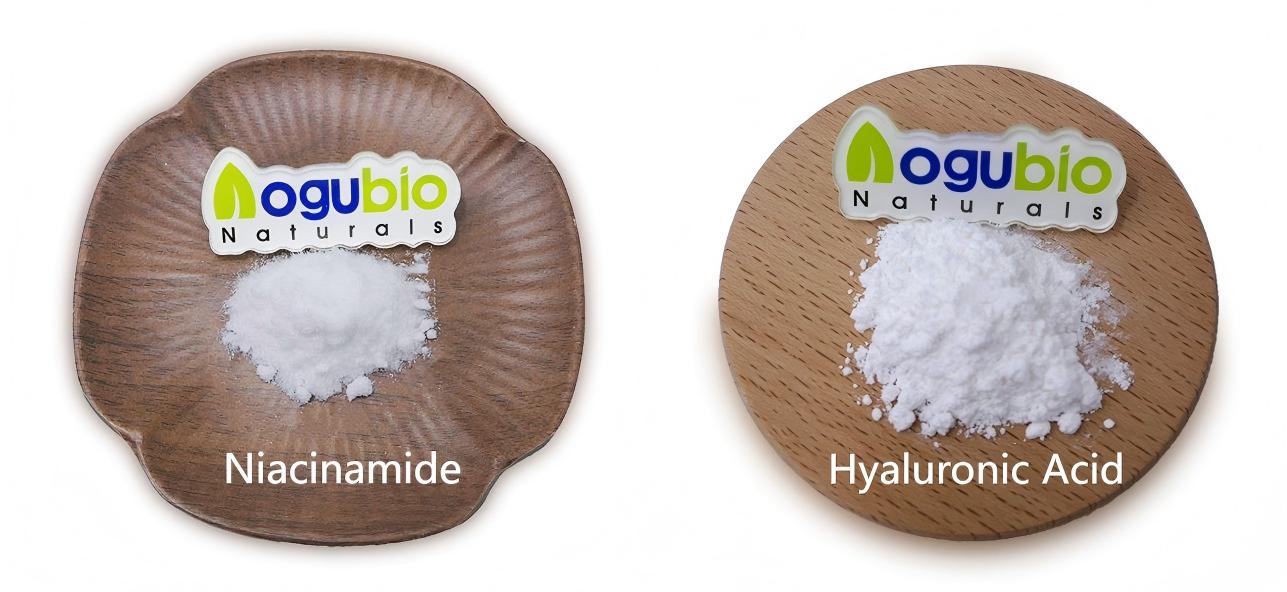
In the vast landscape of skincare, two ingredients have risen to stardom, each boasting unique benefits—Niacinamide and hyaluronic acid. Yet one question has long puzzled consumers: which of these two is better? Let’s dive into a detailed analysis.
| tegory | Niacinamide | Hyaluronic Acid (HA) |
|---|---|---|
| Primary Benefits | - Anti-inflammation (calms redness/irritation) - Oil control (reduces excess sebum) - Brightens skin tone & fades dark spots - Minimizes pore appearance - Strengthens the skin’s protective barrier | - Intense hydration (attracts & locks in moisture) - Plumps fine lines/wrinkles temporarily - Improves skin elasticity & radiance - Boosts skin’s moisture retention long-term - Soothes dry, tight skin |
| Mechanism of Action | Inhibits melanin transfer to skin surface; regulates sebaceous gland activity; reduces inflammation; stimulates synthesis of barrier lipids (e.g., ceramides) | Acts as a "moisture magnet"—can bind up to 1,000x its weight in water; multi-molecular weights penetrate different skin layers (surface to upper dermis) for layered hydration |
| Suitable Skin Types | Oily/combination skin, acne-prone skin, sensitive skin (with redness), skin with hyperpigmentation/dullness | Dry/dehydrated skin, mature skin (with fine lines), skin prone to tightness, all skin types (as a base hydrator) |
| Results Timeline | Visible effects (oil control, reduced redness) in 2–4 weeks; brighter tone & barrier improvement in 8–12 weeks | Instant hydration (skin feels softer/plumper immediately); long-term moisture balance in 4–6 weeks |
| Layering Compatibility | Compatible with most actives (e.g., vitamin C, retinol, peptides); works synergistically with HA | Highly versatile—pairs well with niacinamide, ceramides, antioxidants, and exfoliants; ideal as a "prep step" before other serums |
| Risks & Considerations | - Mild irritation (tingling/redness) possible for sensitive skin (start with low concentration: 2–5%) - Avoid mixing with extremely high-concentration acids (e.g., 30% AHAs) initially | - Minimal risk in topical products (rare irritation) - Injectable HA (for fillers) carries risks like swelling, bruising, or infection (requires professional administration) - In dry environments, use a moisturizer over HA to prevent "moisture evaporation" |
Niacinamide: The Multi-Purpose Skincare Powerhouse
Niacinamide, a form of vitamin B3, has earned its reputation as an "all-rounder" in skincare thanks to its versatility. According to a study published in the Journal of Cosmetic Dermatology, niacinamide offers a wide range of skincare benefits. It helps regulate sebum production, making it an excellent choice for those with oily or acne-prone skin. By controlling excess oil, niacinamide reduces the risk of breakouts and keeps the skin looking matte throughout the day.
Additionally, niacinamide excels at brightening the complexion. It works by inhibiting the transfer of melanin—the pigment responsible for dark spots—to the skin’s surface. With long-term use, this leads to a more even skin tone, effectively improving hyperpigmentation, sunspots, and post-inflammatory erythema. A study in the British Journal of Dermatology showed that topical application of niacinamide significantly enhanced skin brightness and reduced the intensity of dark spots in participants.
Another key advantage of niacinamide is its ability to strengthen the skin barrier. A healthy skin barrier acts as a "protective shield," defending against environmental stressors like pollution, UV rays, and harsh chemicals. Niacinamide boosts the production of ceramides—essential lipids that maintain skin hydration and integrity. By reinforcing the skin barrier, it also reduces transepidermal water loss (TEWL), ensuring the skin retains moisture and stays plump and supple.
Applications of Niacinamide in Cosmetics
Due to its multi-functional properties, niacinamide is widely used across various skincare categories:
- Serums: The most common form of niacinamide products, with concentrations typically ranging from 2% to 10%. For example, serums with 5% niacinamide gently regulate sebum and brighten the skin, suitable for daily use by most skin types.
- Lotions & Creams: Usually contain 2% to 5% niacinamide, combined with moisturizing ingredients (e.g., glycerin, panthenol) to hydrate while strengthening the skin barrier.
- Toners & Essence Waters: Often formulated with low-concentration niacinamide (1% to 2%), serving dual purposes of secondary cleansing and initial skin conditioning.
- Masks: Found in both sheet masks and leave-on masks, niacinamide enables concentrated improvement of uneven skin tone or acne through short-term, high-concentration penetration.
Hyaluronic Acid: The Hydration Champion
Hyaluronic acid, on the other hand, is a humectant renowned for its extraordinary water-binding capacity—it can hold up to 1,000 times its weight in water, making it the "go-to ingredient" for skin hydration. A research paper in the International Journal of Cosmetic Science highlights hyaluronic acid’s key role in maintaining skin moisture. When applied topically, it draws moisture from the environment and deeper skin layers, effectively plumping skin cells and reducing the appearance of fine lines and wrinkles.
As we age, the natural level of hyaluronic acid in our skin gradually declines, leading to dryness, dullness, and wrinkle formation. Incorporating hyaluronic acid products into your skincare routine replenishes lost moisture and restores the skin’s youthful radiance. It provides an instant hydration boost, leaving the skin soft, smooth, and dewy.
Hyaluronic acid comes in different molecular weights, each with unique benefits: High-molecular-weight hyaluronic acid forms a protective film on the skin’s surface, preventing moisture loss and giving the skin a velvety texture. Low-molecular-weight hyaluronic acid, by contrast, penetrates deeper into the skin layers, delivering hydration from within and promoting skin cell renewal.
Applications of Hyaluronic Acid in Cosmetics
Thanks to its powerful moisturizing ability, hyaluronic acid is an "all-purpose" ingredient in cosmetics, used in everything from basic to advanced skincare:
Serums & Ampoules: The core application for hyaluronic acid, often using "multi-molecular weight blending" (combining high, medium, and low molecular weights) to achieve dual effects of "surface moisture locking + deep hydration."
- Moisturizing Masks: A "star category" for hyaluronic acid, especially sheet masks—their occlusive film promotes hyaluronic acid penetration, quickly relieving skin dryness.
- Lotions & Creams: Different textures use hyaluronic acid of varying molecular weights based on skin feel needs. Lightweight lotions often add low-molecular-weight hyaluronic acid , suitable for oily skin in summer; rich creams pair with high-molecular-weight hyaluronic acid to form a moisture-locking film on the skin, ideal for dry skin in winter.
- Primers: Hyaluronic acid helps prevent foundation cakeiness, so it’s often added to primers and pre-foundation serums.
- Lip & Body Care: Lip gels and lip balms add hyaluronic acid to relieve dry, chapped lips; body lotions incorporate hyaluronic acid to improve dry, rough body skin, especially suitable for autumn and winter.
Which One Is Right for You?
The answer to whether niacinamide or hyaluronic acid is better depends on your specific skin concerns and skincare goals:
If you struggle with oily skin, acne, uneven skin tone, or want to strengthen your skin barrier, niacinamide may be the better choice. Its multi-functional properties make it an "all-rounder" for improving overall skin health.
If your main concerns are dryness, dehydration, or the appearance of fine lines and wrinkles, hyaluronic acid is the superior option. Its ability to deliver deep hydration and plump the skin is unmatched by almost any other ingredient.
The good news? You don’t have to choose between them—in fact, they work synergistically to deliver even better results. Using products containing both niacinamide and hyaluronic acid provides comprehensive skincare: niacinamide strengthens the skin barrier, while hyaluronic acid hydrates the skin from within. Together, they leave the skin more balanced, hydrated, and healthy. Examples include SkinCeuticals A.G.E. Interrupter Cream and Lancôme Advanced Génifique Youth Activating Serum, which combine the two ingredients to balance hydration and skin texture improvement; affordable options like Pond’s Pure White Facial Foam and Curel Moisturizing Lotion also include small amounts of both, suitable for basic skincare needs.
In conclusion, both niacinamide and hyaluronic acid are powerful skincare ingredients, each with unique advantages. By understanding your skin’s needs and incorporating these ingredients into your routine appropriately, you can achieve the healthy, radiant skin you’ve always wanted.
- Name: Yuik
- E-mail: sales02@nahanutri.com
- WhatsApp:+8618066950297